

-
 Photo courtesy Oregon Department of Fish & WildlifeOregon and Washington have their own policies protecting gray wolves from recreational hunting.
 -
 Erik Neumann/JPRNearly 15,500 Klamath Basin birds have died from avian botulism. Hear how water deliveries slowed the deaths and revived talks about a long-term solution.


-
 Through close observation and hands-on projects, Pollinator Pals helps Southern Oregon children understand the insects and native plants around them.
 -
 A species once declared overfished has rebounded, and its return to the docks will give scientists their first good look at the fish in decades.
 -
 The Charleston Marine Life Center offers touch tanks, whale skeletons and hands-on exhibits while connecting visitors with marine science on the Oregon coast.
 -
 Wildlife officials say invasive snapping turtles have been found in the Rogue River, where they threaten native turtles, salmon and other wildlife.
 -
 A new garden at the Phoenix Library grew from community conversations about restoring plants, wildlife and natural spaces after the Almeda Fire.
 -
 Wildlife Images in Grants Pass cares for about 1,000 injured and orphaned animals each year while educating visitors about wildlife conservation.
 -
 The project will use native seeds and new mowing practices, while Southern Oregon advocates weigh the benefits and challenges of roadside habitat.
 -
 Oregon Fish and Wildlife Commission adopts new rules to enforce vessel monitoring system and to begin testing pop-up gear in state’s Dungeness crab fishery.
 -
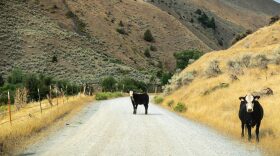 The Center for Biological Diversity filed the lawsuit in U.S. District Court in Oregon alleging the grazing would harm imperiled species across the West.
 -
 140,000 birds died in the 2024 botulism outbreak. The group says this year’s could kill even more unless the federal government releases water to the basin.
 -
 For now, the only place you’ll find grizzlies in California are in zoos or on the state flag.
 -
 A Cascade Girl program at the White City VA introduces veterans to tending beehives, with opportunities to continue beekeeping after treatment.


