

Coverage of issues facing Native people, here in our region and around the country.
JPR's studios are on the campus of Southern Oregon University (SOU), which is located within the ancestral homelands of the Shasta, Takelma, and Latgawa peoples. In recognition of this history, SOU has adopted a Land Acknowledgement Statement that honors the sovereignty and rich cultural heritage of indigenous people.
-
 Courtesy of Klamath Tribes TEROKlamath tribal members are getting hands-on construction training designed to lead to paid apprenticeships and other skilled-trades jobs.
 -
 Jennifer AdlerSunflower sea stars are critically endangered in the Pacific Ocean. University of Washington researchers are working with the Samish Indian Nation to bring this 24-armed creature back from the brink of extinction.


-
 The JPR news team gathers for a roundtable discussion of the top news stories they've been working on this week.
 -
 A recent lawsuit alleges law enforcement has terrorized reservation cannabis growers. That complaint raises questions about police authority on tribal land.
 -
 At least $1.6 million in federal funds for projects meant to capture and digitize stories of the systemic abuse of generations of Indigenous children in boarding schools at the hands of the U.S. government have been slashed due to federal funding cuts under President Donald Trump’s administration.
 -
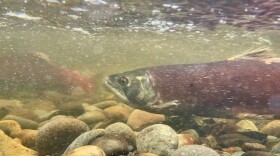 The Trump administration wants to eliminate several programs that benefit Pacific salmon, the iconic but widely threatened species of the Pacific Northwest.
 -
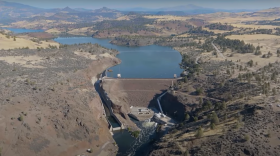 After decades of conflict, farmers and tribes say they’re working in concert to restore salmon habitat in the Klamath Basin. But two dams remain.
 -
 Federal layoffs at Haskell Indian Nations University disrupted classes, financial aid and the women's basketball team. Now, tribes and students have sued, saying the cuts broke treaty obligations.
 -
 Rural school districts depend on the state to fund construction and maintenance projects. But over the past 25 years, Alaska lawmakers have ignored hundreds of requests for public schools that primarily serve Indigenous children.
 -
 Restoration projects on farms and federal lands support wocus plants, which produce a prized first food.
 -
 The unique legal status of Native American tribes creates an opportunity that some use to host high-interest, online lending companies.
 -
 California's Secretary of Tribal Affairs discusses the federal report on abuses of Native children in California boarding schools.
 -
 Author explores why over the past 20 years, Native identity on Census forms has ballooned from 4 million to nearly 10 million.
 -
 Earlier this month, a levee separating Agency Lake and the Upper Klamath National Wildlife Refuge was breached, re-connecting 14,000 acres of wetland habitat to Upper Klamath Lake.


