

-
 Underground History host Chelsea Rose explores the healthy relationship between a Chinese doctor in eastern Oregon and pioneer settlers of the 19th century.
 -
 Courtesy of Klamath Community CollegeKlamath schools are connecting high school students with hands-on EMT and firefighting training as rural communities face workforce shortages.


-
 Next year, the state will pay an average of nearly $630 more per member every month to the organizations arranging providers for the vast majority of the 1.4 million Oregonians covered by the Oregon Health Plan.
 -
 Eleven rural hospitals in Oregon are teaming up in a new state-approved network, which they hope will give them a boost at a time when many are struggling.
 -
 The state has not investigated 26,000 of its 28,000 highest-risk Medi-Cal providers, the report says. Health officials dispute it.
 -
 Rising costs and invasive mosquitoes are adding to the workload for Jackson County’s vector control district, which is seeking a five-year levy.
 -
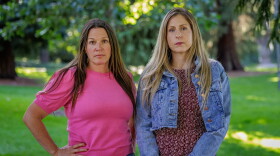 The board of 5Rock Ranch nearly shut it down more than a decade ago, but former residents say harmful practices continue.
 -
 The Oregon Nurses Association alleges Asante leadership has favored profit over services.
 -
 In June, lawmakers passed a healthcare tax that could increase premiums in order to combat federal Medicaid cuts. A new lawsuit says that tax violates Proposition 35, passed by voters in 2024.
 -
 Psychologist Shireen Rizvi discusses opposite action, mindfulness and how an illustrated guide explains skills for navigating emotions and relationships.
 -
 Commissioners support the proposal, but questions remain over enforcement, funding and whether cities will adopt the same rules.
 -
 The providers say the Oregon Health Authority is overstepping its authority in making them prioritize patients discharged from the Oregon State Hospital, but the state argues the requirement is needed to help it satisfy court orders.
 -
 Becerra says he wants everyone to be insured, but hasn’t spelled out how he’d pay for it. Hilton wants greater price transparency and to redesign the marketplace, but it’s unclear how much his plans would actually help consumers.
 -
 State officials worry that consumers who buy their own health insurance could end up with misleading policies that stick them with big medical bills.


