

-
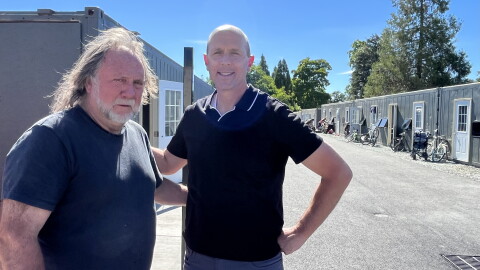 Jane Vaughan/JPRThe arrangement is ending barely a month after the shelter fully opened amid hopes it would help address the city’s homelessness crisis.
 -
 Anna Hoch-Kenney/CalMattersGov. Gavin Newsom on Friday ordered state agencies to develop safety regulations for artificial intelligence after vetoing tougher rules two years ago.


-
 As she seeks reelection, the Democrat pledges progress on housing, the economy, schools and more.
 -
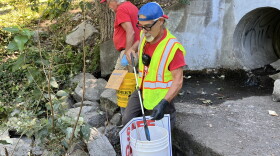 Grants Pass has faced years of lawsuits over its treatment of homeless people. Many residents cheered the recent opening of a new shelter. But the nonprofit Park Watch says some of the problems have shifted elsewhere.
 -
 Rotted timbers closed the rail line for a week. The railroad's general manager says more are in bad shape.
 -
 Gov. Tina Kotek is showing no signs she’s worried about a lone third-party candidate.
 -
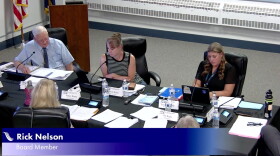 A consultant's report found no violation of state law or district policy, but it did substantiate concerns about board member Rick Nelson's professional boundaries and his comments about protected classes.
 -
 The repayment will increase Bay Area Hospital’s fiscal 2026 loss from about $6 million to $9 million, officials told its board.
 -
 It’s legal for anyone under 18 in California to get married. That may change with a bill on Gov. Newsom’s despite efforts by the ACLU and Planned Parenthood to protect the practice.
 -
 Federal cuts and unstable state funding have set back Oregon’s greenhouse gas reduction goals in transportation sector
 -
 A dry winter followed by a wildfire-filled summer has put pressure on ski areas in Eastern and Southern Oregon.
 -
 It’s just the second poll to emerge in the rematch between Drazan, a Republican, and Democratic Gov. Tina Kotek.
 -
 The committee posted a 20-page report of “preliminary learnings and questions” the public can comment on through Oct. 24.
 -
 The warmer, wetter winter forecasters predict for Oregon could disrupt agriculture in different ways across the state, but for now it’s hard to say how.


