

-
 Monica Carrillo-Casas/OPBA dry winter followed by a wildfire-filled summer has put pressure on ski areas in Eastern and Southern Oregon.
 -
 Emily Cureton/OPBThe warmer, wetter winter forecasters predict for Oregon could disrupt agriculture in different ways across the state, but for now it’s hard to say how.


-
 Heat advisories will be in place for most of western Oregon and far Northern California this week, just as wildfire smoke blows in west of the Cascades, the National Weather Service says.
 -
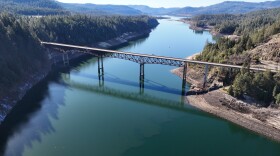 The Army Corps of Engineers manages two major reservoirs in the Rogue Basin. Experts there are hoping to avoid major fish die-offs and other challenges.
 -
 Oregon’s wildfire season started early this year and is expected to last into October, according to state fire experts.
 -
 Many ski resorts across the West have been forced to close early this year. An unseasonably warm winter has led to one of Oregon’s worst snow seasons on record.
 -
 An extremely dry winter will leave farmers in the Klamath Basin with less water than they need.
 -
 With reservoirs brimming — but snowpack abysmal — experts warn of a potentially early fire season.
 -
 As the rainy season tapers off, concern is growing across Oregon and California about the water supply.
 -
 This year's unusually warm and dry winter brought with it little snow across much of Oregon. Water managers and farmers are now figuring out whether they’ll have enough water.
 -
 If conditions don’t change, it could spell a challenging year ahead for cities, aquatic wildlife, outdoor recreation, farming, hydropower facilities, and, possibly, a longer-lasting wildfire season.
 -
 Between April and July, Oregon experienced its fourth driest period since record keeping began in 1895, according to the state’s climatologist.
 -
 Union County has experienced a severe drought since June 24, while Morrow and Douglas counties have been under severe drought conditions since July 15.
 -
 President-elect Donald Trump faulted California water policies for the devastating wildfires that are burning in Los Angeles County. The fires started because of fierce winds and extremely dry conditions.


