

-
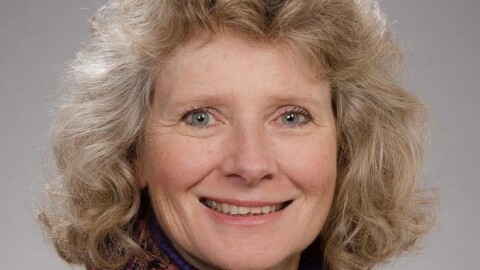 Courtesy of University of WashingtonCervical cancer is largely preventable, but gaps in screening, stigma and access to care continue to leave many women at risk, a University of Washington physician says.
 -
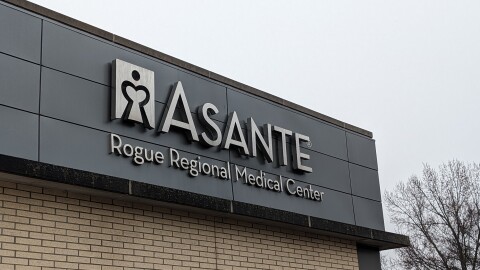 Roman Battaglia/JPR NewsA newly obtained federal report provides undisclosed details of how employees repeatedly observed — and even recorded on video — troubling behavior by a Medford nurse who cared for dozens of patients who'd been prescribed fentanyl. It took 18 months for hospital leaders to connect the situation to a surge in blood infections.


-
 Drug overdoses are the number one cause of death among Oregon young adults aged 15-24, mainly due to fentanyl in the illicit drug supply.
 -
 Birth centers are midwife-run facilities that deliver babies outside of hospitals. They have struggled to stay in business in part because of strict state licensing requirements.
 -
 Researchers have discovered that sulfuretin, found in dahlias and coreopsis flowers, may help slow cancer spread by inhibiting a harmful substance called hyaluronidase.
 -
 Doctors warn that an outbreak of pertussis this year could surpass last year's record not seen since the 1950s.
 -
 New report from a state work group offers dozens of suggestions to improve Oregon’s civil commitment process
 -
 Andra Hollenbeck interviews author Oshri Hakak about his illustrated children's book "Life Rocks," a positive message about resiliency.
 -
 Farmworker advocates, health experts say more robust monitoring needed to prevent spread of illness
 -
 Nurses in Roseburg have reached a tentative agreement for a new contract after planning to picket.
 -
 Alleged victims of drug diversion have filed a new multi-million dollar lawsuit against the Medford hospital.
 -
 California laws governing health insurance, access to abortion and health care for undocumented immigrants could be contested during a second Trump administration.
 -
 Pertussis, or whooping cough, is on the rise throughout Oregon, Washington and Idaho this year.
 -
 Oregon’s first psilocybin service centers opened around a year ago, providing psychedelic mushrooms to treat conditions like PTSD. One center in Southern Oregon is trying to increase access with group-psychedelic experiences — like a magic mushroom concert.


