

-
 Eli Imadali/OPBThe court decision upholds Oregon's recycling law that shifts recycling costs onto corporations.
 -
 Robert So/PexelsOn the fifth and final day of a weeklong trial between the wholesale distribution industry and the state, recycling experts poked holes in one another’s research.


-
 Wholesalers sued the state last year, effectively halting the rollout of Oregon’s new package disposal and recycling charges for companies.
 -
 Under new rules, plastic producers have to cut single use plastic, increase recycling rates and pay $5 billion to remedy harms from plastic pollution.
 -
 The $8 trillion wholesale product distribution industry is challenging a four-year-old Oregon recycling law weeks after the law took effect.
 -
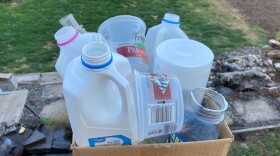
 Curbside recycling in Oregon is about to get easier starting in July. A state law is taking effect designed to modernize the recycling process.
 -
 State lawmakers want redemption sites to close at 8 p.m. and use mobile drop-offs after complaints of nighttime drug deals, litter and homeless camps, but people who rely on refunds object.
 -
 California is beginning to enforce its ban on foodware made from expanded polystyrene, commonly known as plastic foam or Styrofoam.
 -
Oregon is on track to become the first state to launch a recycling program that holds producers accountable for their product packaging.
-
 The Plastic Pollution and Recycling Modernization Act rules were approved by the Environmental Quality Commission to reduce waste from packaging.
 -
 California’s lawsuit alleges that ExxonMobil has known for decades that recycling would not effectively stem the flow of plastic waste.
 -
 The fees will fund Oregon's new mattress recycling program, which could launch as soon as this summer.
 -
 A group of business owners and residents in Portland is pushing for the Oregon Legislature to reconsider the cash refunds offered for recycling beverage containers.
 -
 Legislation in Maine would mimic Oregon’s system of giving a recycling cooperative unclaimed deposits. California is mulling changes as well.


