

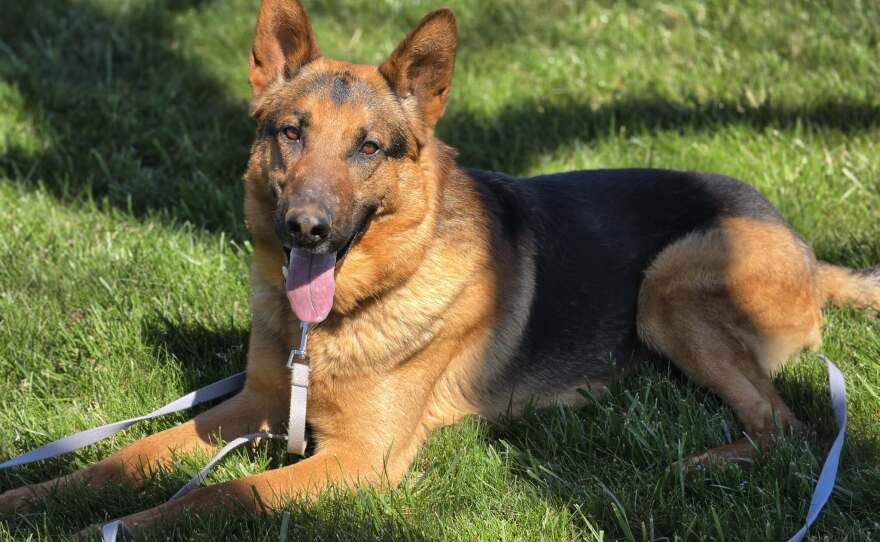
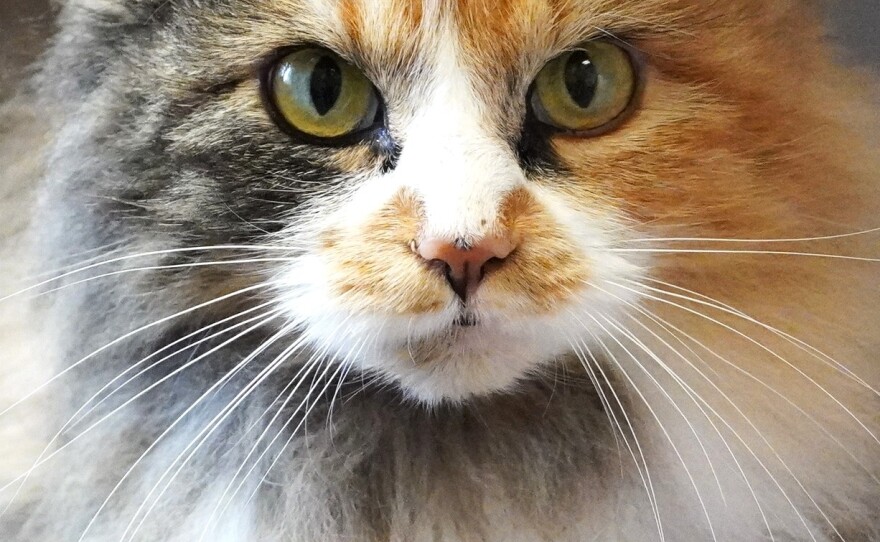
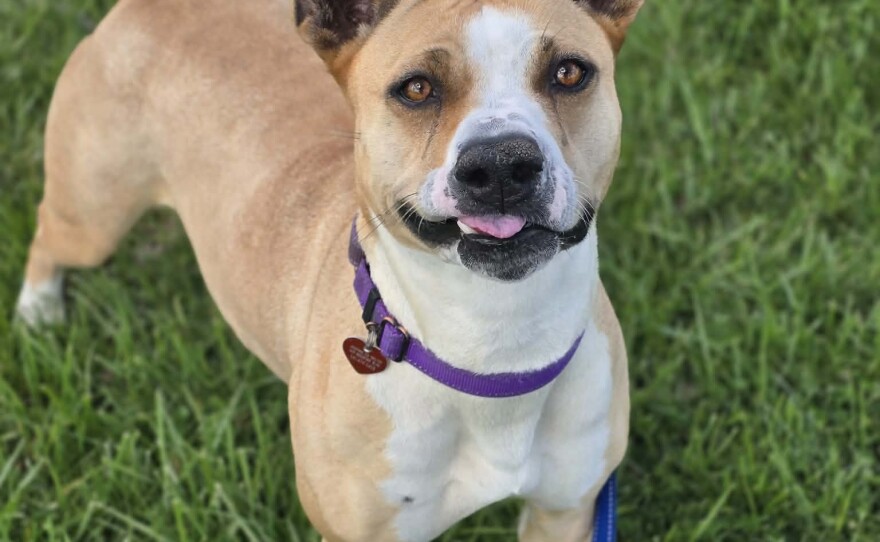
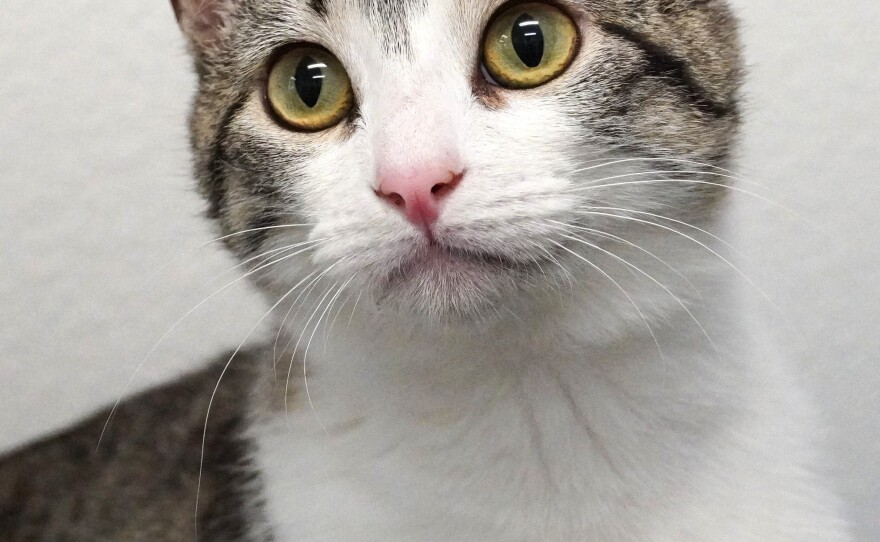
Voters in Josephine County will decide in the May 19 primary election whether to approve a new tax levy to fund animal shelter operations and animal control services, two years after rejecting a separate measure tied to a facility renovation.
The proposed levy would raise the current rate from 11 cents to 16 cents per $1,000 of assessed property value. For an average home, that would cost less than $40 per year.
The existing levy, first approved in 2014, is set to expire next year. It currently funds about 80% of the shelter and animal control department’s operations.
The new measure would not fund renovations but would instead support day-to-day operations, including staffing and animal care.
The Josephine County animal shelter in Grants Pass has faced rising costs, staffing shortages and increased demand, particularly due to mandated animal intakes.
Shelter manager Laura Jansen said the levy has helped significantly reduce euthanasia rates over the past decade.
“Only about one out of four [animals] made it out alive,” Jansen said of conditions before the levy was first approved. “Now, our shelter has a 3% to 5% euthanasia rate.”
She said the measure would allow the shelter to maintain current service levels while improving quality through additional staffing.
“The services would maintain the status quo of what we offer,” Jansen said. “We just would hope to be able to do it at a better level of quality.”
The shelter housed more than 2,200 animals last year. It currently employs 8.1 full-time equivalent county staff and relies on more than 150 volunteers. The animal control department has three full-time officers.

In 2025, animal control officers responded to more than 3,300 calls — a 91% increase since 2020.
Jansen said staffing levels remain well below those of comparable shelters, with a staff-to-animal intake ratio about 75% lower than regional peers.
She also linked rising demand to broader economic challenges in the county.
“We have poverty rates that are higher than the national average,” Jansen said. “All of the human issues are directly tied to our animal issues.”
At a February Board of Commissioners meeting, most public comments supported the levy, though some residents raised concerns about affordability.
“The number of animals has increased, and inflation has impacted the costs,” said a speaker identified as Victor, who opposed the levy. “Those of us on fixed incomes and low-wage earners have been relentlessly and negatively affected by the same inflationary forces.”
If approved, the levy is expected to generate about $1.6 million in the 2026-27 fiscal year and about $1.9 million in 2030-31, for a total of nearly $9 million over five years.
Without the levy, Jansen said the shelter would face significant service reductions. If it passes, officials plan to seek additional funding sources for future facility improvements.
Ballots will be mailed starting April 29 and must be returned by May 19.
