

-
 Left image: Ray Bosch/U.S. Fish & Wildlife Service/Right image: Don Ryan/AP / OPBThe state could kill up to 350 barred owls in the Elliott State Research Forest over the coming year, as federal agencies also kill the invasive bird.
 -
 Juliet Grable/JPRConservationists are fitting Western monarch butterflies with tiny solar-powered transmitters. What they learn from these e-tags could help the struggling population.


-
 Oregon and Washington have their own policies protecting gray wolves from recreational hunting.
 -
 The project will use native seeds and new mowing practices, while Southern Oregon advocates weigh the benefits and challenges of roadside habitat.
 -
 The decision to rescind the 25-year-old "roadless rule" was made without officials hosting any public meetings
 -
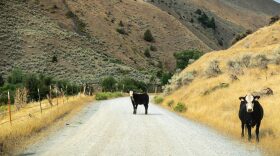 The Center for Biological Diversity filed the lawsuit in U.S. District Court in Oregon alleging the grazing would harm imperiled species across the West.
 -
 For now, the only place you’ll find grizzlies in California are in zoos or on the state flag.
 -
 The temporary court order includes nighttime restrictions, area closures and a pause on new event permits while the Forest Service conducts further environmental review.
 -
 The Trump administration is overhauling the U.S. Endangered Species Act. But that hasn’t changed Oregon’s conservation plans, at least not yet.
 -
 Democrats are advancing a bill over objections from rural residents, ranchers and Republicans that would study whether California should bring back grizzly bears.
 -
 The challenge argues the revised federal policy could reduce habitat protections for threatened and endangered wildlife in the Rogue River-Siskiyou National Forest and beyond.
 -
 More than a century after California condors disappeared from Oregon, one bird's journey signals progress for the endangered species.
 -
 Wildlife Services, a program under the U.S. Department of Agriculture, accidentally killed two protected Oregon wolves last summer. Wildlife conservation groups are skeptical it was a mistake.
 -
 What do you do when one of the most lethal substances to aquatic life emanates from every tire on the road?


