

-
 Theo Greenly/JPRA species once declared overfished has rebounded, and its return to the docks will give scientists their first good look at the fish in decades.
 -
 Theo Greenly/JPRA new state report says tariffs have hurt Oregon’s economy, but seafood processors on the South Coast say the latest trade fight is part of a much older struggle to reach foreign markets.


-
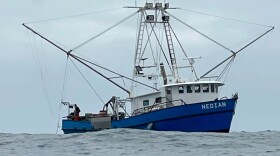 Sharp increases in the cost of fuel, triggered by the U.S. war with Iran, are reverberating through the global economy. In the Pacific Northwest, commercial fishermen are grappling with surging costs for the diesel fuel that powers their boats along the West Coast fishing grounds.
 -
 Regulators will allow Chinook salmon fishing along California’s coast for the first time in three years, but restrictions remain in areas of Northern California.
 -
 After four hours of emotional public comment, the commission voted 6-1 to deny the petition.
 -
 The Oregon Department of Fish and Wildlife is implementing temporary rule changes for Dungeness crab fishers in the 2025-26 season to restrict gear and areas where fishing can occur.
 -
 Petition comes weeks after young entangled humpback whale found stranded near Yachats.
 -
 The temporary order comes just three days after a lawsuit challenging the removal. The U.S. Coast Guard has stationed a rescue helicopter in Newport since 1987, not long after three fishermen died when their boat capsized roughly 20 miles off the central coast.
 -
 A missing helicopter and a possible immigrant detention center have roiled the coastal city.
 -
 Oregon Attorney General Dan Rayfield announced Friday that the state is filing a lawsuit to force the federal government to return a U.S. Coast Guard rescue helicopter to Newport. Lincoln County and the nonprofit Newport Fisherman’s Wives group filed a similar lawsuit.
 -
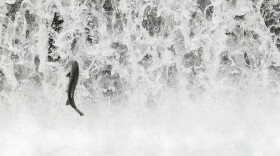 While it’s an unprecedented third year in a row for no commercially caught salmon, brief windows will be allowed for sportsfishing in California.
 -
 With salmon fishing barred off the California coast for two years, fishermen have been running historic boat tours, party cruises, and scattering the ashes of the deceased to try to stay afloat. Now, fishing fleets are gearing up for a third year.
 -
 Low counts of spawning salmon could mean another year without fishing. Experts say the outlook still has time to turn around.
 -
 The start of the commercial Dungeness crab season in California has been delayed for the seventh year in a row to protect humpback whales from becoming entangled in trap and buoy lines.


