

-
 Jungho Kim/CalMattersMore than half of California’s Democratic legislative caucus called for a government shutdown and introduced bills to hold federal agents accountable
 -
 Eli Imadali/OPBThe program has been put to the test with the recent government shutdown and an earlier fight over the federal budget.


-
 The record-breaking government shutdown has come to an end, but what remains are the ripple effects that played out over those 43 days.
 -
 Federal offices and agencies began reopening in Oregon after the longest government shutdown in U.S. history came to an end on Wednesday.
 -
 Oregon is among the states that provided full SNAP benefits on Friday. Gov. Tina Kotek said Sunday that Oregonians will still be able to use SNAP benefits they already recieved.
 -
 The Oregon Department of Human Services announced that people who receive SNAP food assistance would receive 100% of their November benefits on Friday.
 -
 Travelers at major airports from Seattle to San Diego are being advised to call airlines before turning up.
 -
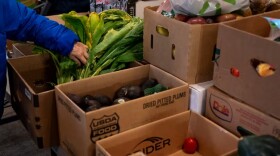 The federal government is directing all states to issue fifty percent of each household’s normal monthly SNAP benefit amount for November. But Oregon officials say it is not a simple process.
 -
 State offices have been seeing a surge in calls leading up to food benefits lapsing on Nov. 1.
 -
 More than five million low-income Californians are expected to lose their CalFresh food assistance benefits starting Saturday. States are suing the Trump administration to reinstate aid.
 -
 The judges ruled in favor of local officials who sought to force the federal government to keep the SNAP program running in November.
 -
 As funding deadlines approach, one Head Start program has closed and three others are about to. More closures are expected in the coming weeks.
 -
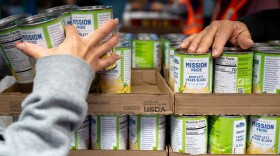 Gov. Tina Kotek announced she’s sending $5 million in state funding to food banks on Wednesday as Oregon braces for a cutoff of Supplemental Nutrition Assistance Program expected at the start of November.
 -
 The states are among many that are going to court to force the federal government to use emergency reserve money to prop up the federal food assistance program.


